
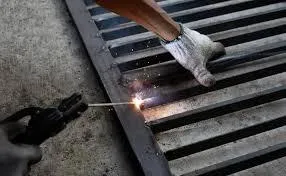
Navigating Texas Fence Laws in Katy, TX & Surrounding Areas
Homeowners across Katy, Texas, and nearby communities such as Houston, Cypress, Sugar Land, Pearland, Spring, and The Woodlands face unique challenges when it comes to installing or repairing fences. Do you know how Texas fence laws, permit requirements, and material options can impact the success of your fencing project? Understanding these details is crucial to ensure your new fence is both compliant and built to last. From choosing the right materials for Texas weather to learning about specific city regulations, knowing the rules can help you make informed decisions and avoid costly mistakes.
Why do Katy, TX homeowners need to understand Texas fence laws?
Understanding Texas fence laws helps homeowners avoid legal complications, fines, or disputes with neighbors. Building a fence involves more than design—it must follow local ordinances regarding property lines, height limits, and easements. By being aware of these regulations, homeowners can ensure that their new fence is structurally sound, meets all legal standards, and enhances property value without future problems.
How do Texas state and city rules affect fence installation?
Texas follows a “fence-out” system, which allows property owners to protect their land by building fences, but each city enforces its own guidelines. For example, backyard fences in Katy, Houston, and Sugar Land are generally limited to six feet, while front yard fences cannot exceed four feet for visibility and safety reasons. Some neighborhoods also restrict materials or designs near sidewalks and driveways. Following your city’s specific zoning and setback regulations ensures your fence project runs smoothly from start to finish.
When do homeowners in Katy need a fence permit?
A fence permit is typically required if the structure exceeds six feet in height, is built on a utility easement, or runs alongside a public walkway. Certain cities like Cypress and Pearland also require permits for fences constructed with nonstandard materials or those located in floodplain zones. Providing detailed site plans, property surveys, and material lists can help speed up the approval process and prevent any future code violations.
How do HOA rules and property lines affect fence projects in Katy?
Many neighborhoods in Katy, Sugar Land, and The Woodlands have Homeowners Associations (HOAs) that set specific standards for color, height, and design. Reviewing your HOA covenants and obtaining written approval before starting your project ensures compliance and avoids fines. It’s also important to verify property lines through a professional survey to prevent encroachment. Under Texas law, when a fence is built directly on a property line, both neighbors may share ownership and maintenance responsibilities, a principle often referred to as the “Good Neighbor Fence” rule.
What happens if you ignore fence regulations in Texas?
Ignoring fence laws or skipping the permit process can lead to serious consequences. Homeowners may face stop-work orders, daily fines, or be forced to remove the fence entirely. Building on easements can also damage utilities, creating liability for costly repairs. Adhering to all regulations from the beginning not only prevents penalties but also ensures your fence remains safe, legal, and structurally stable.
Which fence materials perform best in Texas weather?
In Katy, Cypress, and Pearland, the combination of heat, humidity, and clay soil requires materials that are tough and long-lasting. Cedar wood is naturally resistant to rot but needs annual sealing or staining. Vinyl fencing performs exceptionally well against UV exposure and moisture, while aluminum is rust-proof and requires minimal upkeep. Composite fencing, made from recycled materials, offers durability and low maintenance. Many homeowners prefer vinyl or composite for their longevity and performance, while cedar remains a timeless choice for its warm, natural appeal.
How does Texas weather affect fence longevity?
Texas weather plays a major role in determining how long a fence lasts. Intense heat and humidity can cause wood to warp, posts to loosen, and metal to corrode. Local experts recommend setting posts at least 24 to 36 inches deep in concrete, adding gravel for drainage, and choosing weather-resistant materials. Taking these precautions helps ensure your fence remains sturdy and reliable through the harsh Texas seasons.
What are the most common fence installation mistakes to avoid?
The most frequent installation errors in Katy and surrounding areas include shallow post depths, poor drainage, and uneven spacing between panels. These issues can cause leaning or premature damage. Setting posts deep enough, using high-quality concrete, and maintaining consistent spacing between 6 to 8 feet greatly improves the fence’s stability and lifespan.
How can homeowners in Katy maintain their fences year-round?
Regular maintenance is essential to protect your fence investment. Homeowners should inspect their fences at least twice a year for rot, rust, or loose hardware. Applying sealant or stain before the summer heat prevents cracking and fading. Cleaning or pressure washing the fence quarterly also helps maintain its appearance. Wood fences require sealing every 12 to 18 months, while vinyl and composite options need only occasional cleaning to stay in top shape.
What should you know about fence warranties in Texas?
Fence warranties vary by material. Manufacturers of vinyl, aluminum, and composite fences often provide warranties ranging from 10 to 25 years, covering manufacturing defects but not poor installation or weather damage. Wood fences usually have limited warranties that cover rot resistance for treated lumber. Reading the warranty details carefully and registering your product ensures you remain eligible for future coverage.
How can you avoid property line disputes and utility damage before building?
Before digging, homeowners should always call 811 to have underground utilities marked for gas, water, and electricity lines. Confirming property boundaries with a licensed surveyor helps prevent disputes with neighbors. Documenting your fence location and discussing your plans openly with nearby property owners can eliminate misunderstandings and promote a smoother installation process.
How do fence laws differ across Texas cities?
Each city in Texas has its own unique set of ordinances for fence construction. In Katy, fences taller than six feet usually require permits and must meet setback requirements near driveways. Houston applies different standards for masonry, wood, and metal fences, while Sugar Land enforces visibility rules for corner lots. In Cypress and The Woodlands, stricter HOA oversight may also apply. Checking with your local building department ensures your project meets all regional requirements.
What’s the best fence option for Katy homes?
The best fence depends on balancing durability, maintenance, cost, and aesthetic preferences. Wood fences offer classic charm but need frequent upkeep. Vinyl fences are popular for their clean appearance and low maintenance, while metal options provide strength and security. Composite fences deliver the natural look of wood with minimal care. In Katy’s hot and humid climate, vinyl and composite fences are often the preferred choices due to their longevity, resilience, and modern appearance.
Final Thoughts
Building a fence in Katy, TX, and nearby areas such as Houston, Cypress, Sugar Land, Pearland, Spring, and The Woodlands involves more than enhancing privacy—it requires understanding Texas fence laws, obtaining proper permits, and selecting durable materials suited for the local climate. By following local regulations, planning carefully, and maintaining your fence regularly, you can create a safe, beautiful, and lasting boundary that enhances your home’s curb appeal and value while standing strong through Texas’s challenging weather conditions.
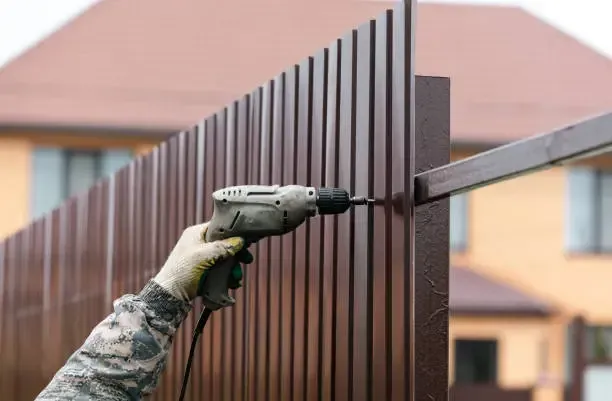
Do I need a permit to build a fence in Katy, TX?
Yes, a fence permit is often required if your fence exceeds six feet in height or is located near public sidewalks, easements, or flood zones. Always check with the City of Katy’s Building Department before starting construction to ensure your project follows all local regulations.
How close to my property line can I build a fence?
In most Texas cities, including Katy, fences can be built directly on or inside your property line. However, it’s crucial to confirm boundaries through a property survey before installation to avoid disputes. If you share the fence line with a neighbor, both parties may share ownership and maintenance responsibilities under the Texas “Good Neighbor Fence” rule.
What type of fence lasts the longest in Texas weather?
Vinyl and composite fences tend to last the longest in Texas’s hot and humid climate. They resist UV damage, moisture, and warping better than untreated wood. Aluminum fences are also durable and rust-resistant, making them a great option for long-term performance with minimal maintenance.
How can I prevent my wooden fence from rotting or warping?
To protect a wooden fence, use pressure-treated or cedar wood, apply a sealant or stain annually, and ensure posts are set deep in concrete with proper drainage. Regular cleaning and maintenance can help prevent rot, termite damage, and warping from Texas heat and humidity.
Who is responsible for repairing a shared fence in Texas?
When a fence sits directly on a property line, both neighbors typically share equal responsibility for maintenance and repair. However, if the fence is fully on one side, the homeowner who built it is solely responsible for upkeep. It’s always best to discuss repair plans with your neighbor to avoid conflicts.
Contact Us
Terms & Conditions
Privacy Policy
Email: [email protected]
Phone: (346) 507-6303
Address: 4722 Magnolia Creek Road, Houston, TX 77084