
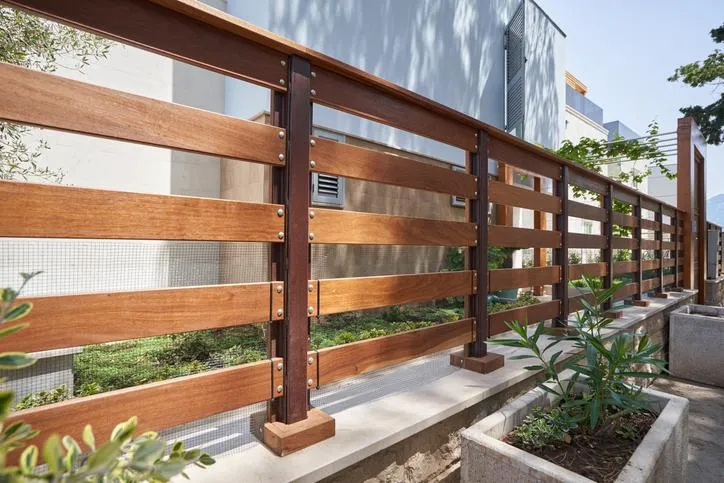
Understanding Pool Safety Fence Costs in Texas & Surrounding Areas
Pool safety fence costs in Texas vary widely for homeowners in Cypress, Houston, Tomball, Spring, Katy, Hockley, Northwest Houston, and nearby areas. With the region’s intense heat, humidity, and frequent storms, choosing the right fence involves considering durability, code compliance, and long-term performance. Understanding how materials, installation methods, and property conditions affect pricing helps families invest in a safe and reliable pool barrier that enhances their outdoor space.
What Factors Influence the Cost of a Pool Safety Fence in Texas?
Pool fence costs are shaped by the material you choose, the size of your pool area, the height of the fence, and the complexity of installation. Homes with slopes, uneven terrain, or concrete decking often require additional labor, which can increase pricing. Local regulations in areas like Cypress and Houston may also influence design requirements and cost.
How Do Different Fence Materials Affect the Overall Price?
Materials such as mesh and vinyl tend to be more affordable, while aluminum and glass come at higher price points due to their durability and modern appearance. Each material has its own maintenance needs, which contribute to long-term expenses. Texas homeowners choose based on both immediate budget and how much upkeep they are willing to perform.
Why Are Aluminum Pool Fences More Expensive Than Some Other Options?
Aluminum fences cost more because they offer exceptional rust resistance, long-lasting strength, and consistent performance in Texas weather. Their powder-coated finish helps them withstand heat and humidity without warping. Many homeowners in Cypress and Spring choose aluminum when they want a fence with minimal maintenance requirements.
Is a Glass Pool Fence Worth the Higher Cost?
A glass pool fence offers a high-end appearance and clear visibility around the pool, making it popular for modern backyards in Houston, Katy, and Tomball. The tempered glass panels are strong, safe, and built to withstand outdoor conditions, though they require regular cleaning. Despite the higher investment, many homeowners value the design and open feel it provides.
How Does the Layout of a Property Affect Pool Fence Pricing?
Properties with slopes, retaining walls, landscaping features, or custom pool shapes often need specialized installation techniques. This increases labor time and may require additional hardware or reinforcement. Homes in Hockley, Northwest Houston, and Cypress with uneven yards typically see higher installation costs.
Do Safety Gates Add Significantly to the Total Cost?
Safety gates do increase the overall price because they must meet Texas code requirements, which include self-closing and self-latching mechanisms. These gates are designed to prevent unauthorized access, especially for children. Higher-quality latches and gate materials improve long-term safety but add to the initial budget.
How Does the Texas Climate Influence Long-Term Fence Costs?
Texas heat, UV rays, and moisture can affect the lifespan of pool fences, with aluminum and vinyl performing better than wood in humid conditions. Wood may require frequent sealing, staining, or repairs, which raises long-term costs. Homeowners in Cypress and the Houston region often choose low-maintenance materials to avoid ongoing expenses.
How Much Should Homeowners Budget for a Pool Fence Installation?
Budget ranges vary based on material, design, and the size of the pool area, but mesh generally offers the lowest cost while glass is at the higher end. Vinyl and aluminum sit in the mid-range, offering strength and aesthetic appeal without premium pricing. Exact costs depend on property layout and code requirements across Northwest Houston and surrounding areas.
Final Thought
Choosing the right pool safety fence in Texas requires balancing budget, durability, and aesthetics while meeting local safety codes. Whether you live in Cypress, Houston, Spring, Katy, Tomball, or Hockley, investing in a reliable fence adds long-term protection and peace of mind. Understanding material options and cost factors ensures you select a fence that fits both your property and your lifestyle.
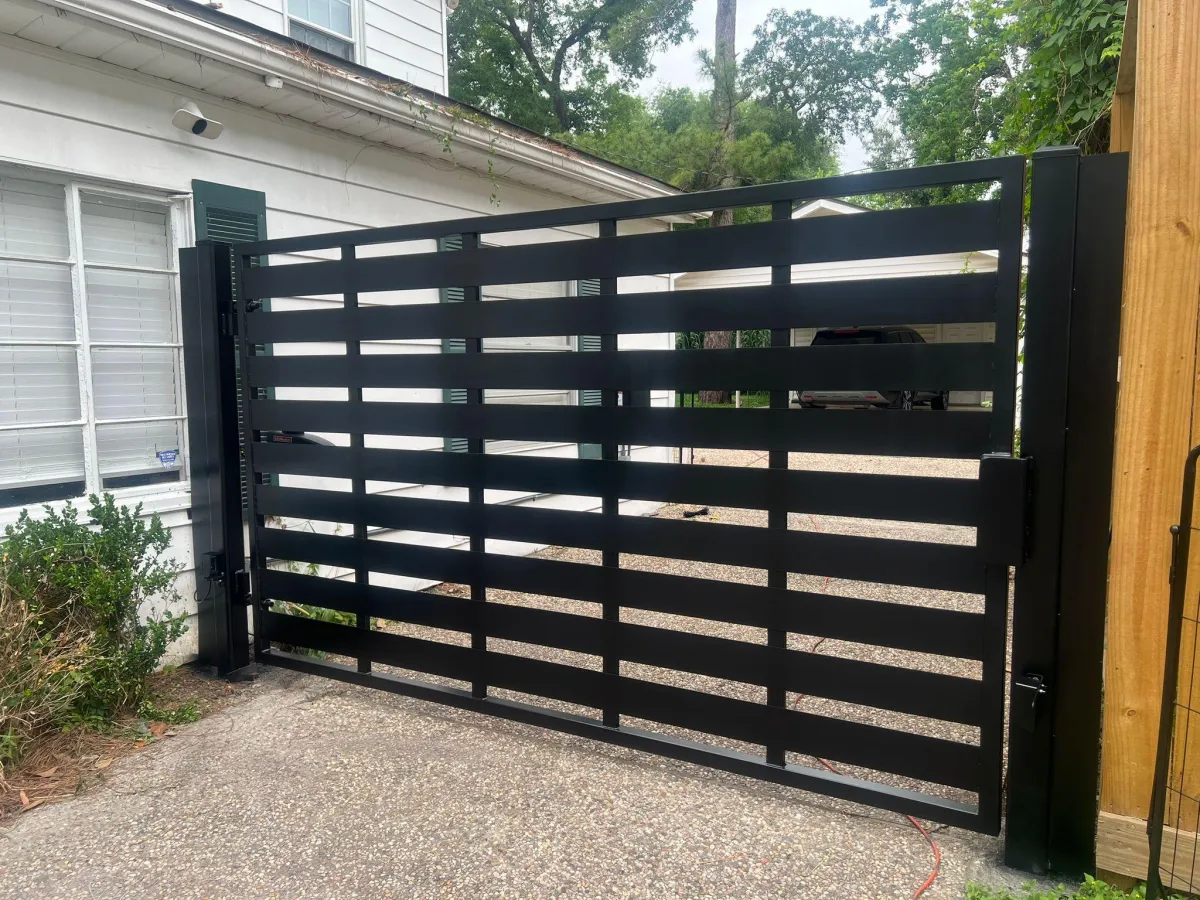
Are pool safety fences required by Texas law?
Yes, Texas requires residential pools to be secured by a safety barrier that prevents unsupervised access. Local cities within the Houston region may have additional rules, so checking your area’s requirements ensures full compliance. A professional installer can help verify all code standards.
What is the standard height requirement for a Texas pool fence?
Most areas require a minimum height of 48 inches, though some municipalities may require higher. Spacing rules also apply to prevent climbing or squeezing through openings. Meeting these standards is essential to ensure your pool area is legally secure.
How long does it take to install a pool safety fence?
Most professional installations take one to two days, depending on the fence type and yard conditions. Complex layouts or concrete drilling may extend the timeline slightly. Contractors in Cypress and Northwest Houston usually provide a clear estimate after inspection.
Which pool fence material lasts the longest in Texas weather?
Aluminum and vinyl typically offer the best long-term performance in hot and humid climates. These materials resist rust, fading, and warping, reducing ongoing maintenance. Glass also lasts for years but requires more frequent cleaning to maintain its clarity.
Is mesh fencing strong enough for child safety?
Yes, mesh fences are specifically designed to prevent climbing and accidental access, making them a top choice for families with young children. They’re durable, tightly woven, and difficult for children to grip. Homeowners appreciate that mesh provides safety without high installation costs.
Contact Us
Terms & Conditions
Privacy Policy
Email: [email protected]
Phone: (346) 507-6303
Address: 4722 Magnolia Creek Road, Houston, TX 77084